Voters Showed Up. Now We Build.
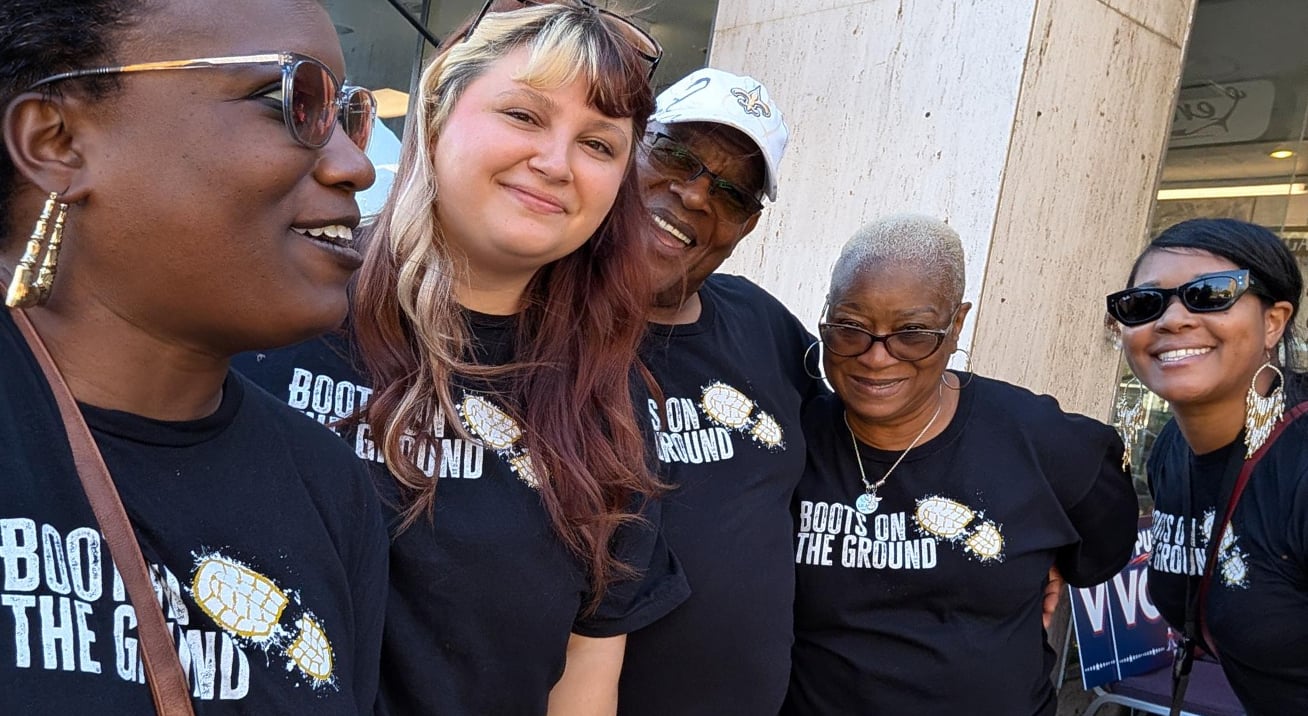
Photo from All Streets for All People (ASAP), a Tides Foundation grantee.
Long before the first ballot was cast this election cycle, organizers were hard at work making sure every voter had the chance to make their voice heard on Election Day. Student organizers knocked on doors around Nevada’s college campuses. Neighbors hosted parish meetings across North Louisiana. In Mississippi, Black women organizers helped communities understand their rights and find reliable election information. In Florida and California’s Central Valley, coalitions recruited and trained poll monitors who ensured voting processes worked as intended on Election Day.
This year, early voting continued to gain popularity among the American electorate. According to the University of Florida Election Lab, more than 54 million Americans cast ballots before Election Day, far outpacing the 45.9 million early votes cast in the 2022 midterms. In Georgia, Black voters cast about 30% of early ballots, helping drive record midterm turnout across the state. Voters in Texas set a new state record for midterm early voting, with more than 7.7 million Texans casting ballots before Election Day. A staggering 123.5 million Americans cast ballots this cycle, making this the second-highest turnout rate seen in a midterm election in over a century.
Voters also made history. Georgia elected the first Black woman to serve as governor of any U.S. state, and Mississippi elected its first Black U.S. senator since Reconstruction. Minnesota will send the first Native American woman to the U.S. Senate, and New Mexico elected the first Native American woman governor. Voters elected the first Muslim and the first openly gay man to the Senate, and Florida, Wisconsin and Nevada each elected their first Black governor.
Those numbers reflect years of tireless grassroots voter engagement efforts. Behind every ballot are organizers, poll workers, legal advocates and community leaders who have spent years making sure eligible voters can learn about the voting process, register to vote and make their voices heard. While this behind-the-scenes work rarely makes headlines, it is the fuel that keeps democracy working for all of us.
So far this year, donors have recommended $139 million in democracy and civic engagement grants through Tides. The Tides Healthy Democracy Fund, Movement Voter Fund and Southern Poverty Law Center’s Vote Your Voice Fund helped ensure critical resources reached community groups doing on-the-ground democracy protection and voter engagement work. Through Tides Center fiscal sponsorship, 18 community-led democracy projects also raised $12.6 million this year to run their own nonpartisan voter education and election protection programs. The organizations profiled below show what this support makes possible, from helping people exercise their right to vote to building lasting civic power in their communities.
In the South, Organizers Kept Voters Informed All Year
The organizing taking place in the South is helping more people turn out to vote, from first-time voters in North Louisiana to Black women organizing across Mississippi. Tides strategically supports a network of leaders and changemakers in the South, which is both where the right to vote was won and where some of the country’s most effective voting rights organizing is taking place today. Stacey Abrams carries the torch as a vocal advocate for Southern organizing, including as founder of the Southern Economic Advancement Project (SEAP), a Tides Center fiscally sponsored project working across 12 Southern states to broaden economic power and civic voice. Abrams and another modern-day trailblazer LaTosha Brown, co-founder of Black Voters Matter Capacity Building Institute, support grassroots groups across the South to build lasting capacity and civic infrastructure. We are grateful for the generational impact of these leaders, and recognize that as we celebrate their work, it continues to require effective resourcing.
Mississippi: Organizing Black Women and Girls
The Mississippi Black Women’s Roundtable has organized Black women and girls in Mississippi for more than 20 years. During the 2026 election cycle, the Roundtable helped communities navigate voting procedures, understand their rights and access reliable election information. That work helped more Black Mississippians take part in a closely watched election.
The Roundtable’s work reaches well beyond election season. In recent years, its MS Women’s Economic Security Initiative Policy Agenda helped win paid parental leave for state employees.
“This election reminded us that democracy doesn’t begin or end at the ballot box,” said Cassandra Welchlin, Executive Director of the Mississippi Black Women’s Roundtable. “Our work is about more than one election. It’s about building lasting political power, protecting our communities and ensuring that Black women and their families have a meaningful voice in the decisions that shape their lives.”
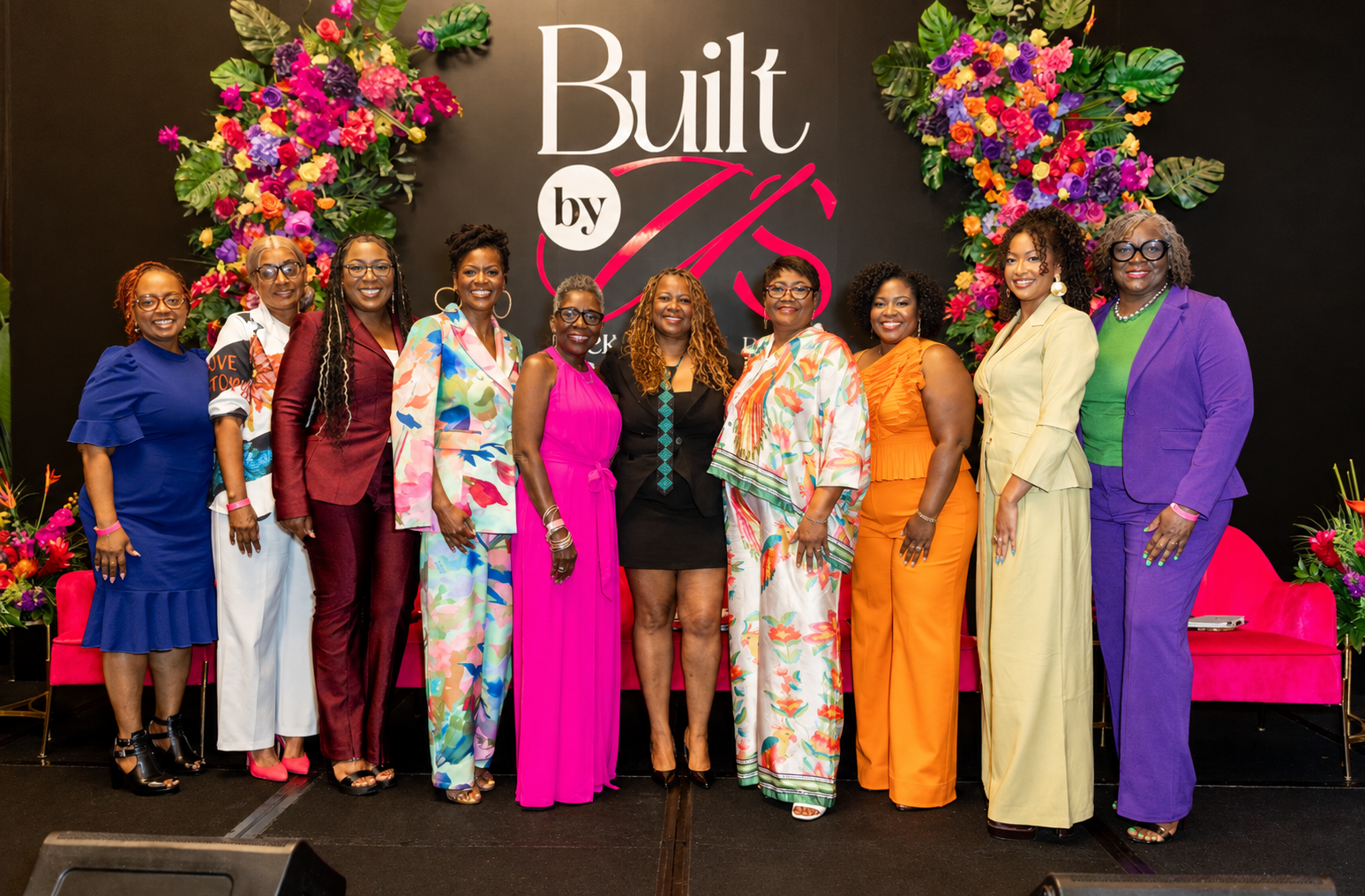
Mississippi Black Women’s Roundtable and One Voice convened Black women, youth leaders, advocates, and community changemakers during ESSENCE Festival weekend in New Orleans to explore leadership, economic security, civic engagement, and the future of Black women and girls.
North Louisiana: Building Local Leadership
All Streets All People (ASAP) runs its ‘Boots on the Ground’ program across 24 parishes in North Louisiana. Through its ‘Pod, Parish and Precinct’ model, it trains local leaders to knock on doors, host community meetings and organize mutual aid. This election season, the team made 85,000 contacts and held more than 8,000 conversations with voters.
As election season turns to what ASAP calls ‘accountability season’, its organizing continues.
In the West, Organizers Helped Voters Navigate Changing ID Rules
Voter ID measures produced different outcomes in Nevada, Arizona and California this year. Nevada voters approved a constitutional requirement for photo ID, while voters in Arizona and California rejected similar measures. In all three states, local organizers made sure people understood the rules before they voted.
Nevada: Student Organizers on Campus and Online
In Nevada, Battle Born Futures, a project of Youth Civic Accelerator, puts paid student organizers on campuses including the University of Nevada, Las Vegas, the College of Southern Nevada and Nevada State University. Its organizers register students to vote, share nonpartisan voter guides and help classmates navigate their ballots, while its digital creator fellows bring that information to young people online.
Across States: Latina Leadership and Bilingual Outreach
Poder Latinx Collective Fund is a nonpartisan nonprofit that builds civic participation and develops leaders in Latinx communities across states like Arizona, Florida and Georgia. This election season, its trained canvassers knocked on doors and held conversations with voters from Florida to Washington state, while volunteers in Georgia reached voters by text. In Arizona, it joined Univision Arizona to host an Election Day phone bank answering voters’ questions. In Georgia, it also ran a bilingual campaign to help Latinx voters take part in the election for two seats on the state’s utility regulator.
“Latino youth, women, and many others across our communities played an important role in driving participation,” said Yadira Sánchez, Executive Director of Poder Latinx. “By building relationships, listening to our communities, and connecting voters with trusted information and resources, we strengthen civic participation beyond Election Day.”
Helping Voters Prepare for Election Day and Beyond: Tides Center Fiscally Sponsored Projects
Tides Center fiscally sponsors community-led projects that protect the vote on the ground.
Florida: Monitoring the Polls
State Voices Florida co-convenes the Florida Election Protection Coalition and keeps it running year-round. Coalition partners recruit and train nonpartisan poll monitors and raise community awareness when polling places close unexpectedly, including when hurricanes move precincts at the last minute.
State Voices Florida identifies polling places where issues are most likely to arise, sends trained election monitors in real time, and routes problems to legal teams.
“Florida is the testing ground for every obstacle in American democracy, but our people refuse to be shut out. We back that community grit with real-time field defense every single day, because when Floridians fight for their power, our job is to make sure nothing stops them,” said Juanica Fernandes, Executive Director of State Voices Florida.
California: Voter Outreach and Poll Watching in the Central Valley
MOVE the Valley (Mobilize, Organize, Vote, Empower) works mainly through grants to coalition partners across nine Central Valley counties. This year, it funded a get-out-the-vote program from May through the June primary and again leading up to the November general election. It also funded an Election Day poll watching program so partners could observe polling places, assist voters and document any issues.
Now We Build
While Election Day is a single day, our partners work 365 days a year to empower and educate voters. Too often, funding dries up once the votes are counted, just when communities need it most. Many people who turned out to vote this year still face real barriers to voting, from new ID rules to inaccessible polling places, and the groups standing with them are stretched thin.
From Nevada’s college campuses to polling locations in California’s Central Valley, our partners will keep organizing long after the final votes are tallied. Tides donors support this work in many ways, including through the Healthy Democracy Fund, which has invested $76 million in 283 grassroots organizations since launching in 2019. Whatever comes next, Tides will continue:
- Protecting partners and the right to vote.
- Connecting donors with on-the-ground ‘doers’ organizing and building power in their communities.
- Telling the story of how community-led organizations are protecting our democracy.
Democracy doesn’t end when the polls close: join Tides in standing with these grassroots movements.
Join the work: Donate to the Healthy Democracy Fund