Partnering for Resilience: Centering Community Voices in Climate Action
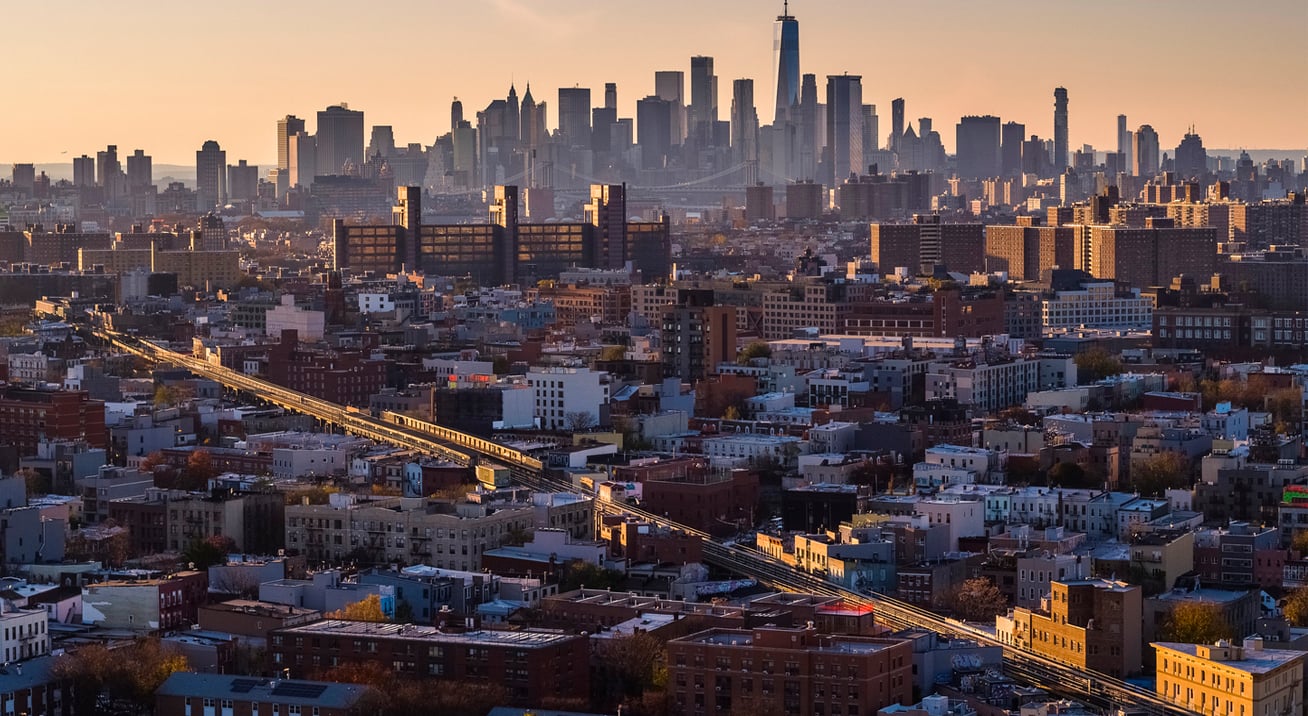
In Bushwick, Brooklyn, where vibrant, multilingual communities face increasing climate risk, a different approach to climate resilience is taking shape: one rooted not in top-down data, but in lived experience.
For decades, residents have navigated flooding, heat, and infrastructure challenges with little recognition from the systems meant to protect them. Through Linguistic Waterways, a community-driven climate resilience initiative, that dynamic is beginning to shift. By centering community knowledge alongside institutional data, the project reimagines what climate resilience can look like when it starts with those most affected.
Supported by the Community Wisdom Lab Educational Fund, a Tides Foundation fiscal sponsorship, and led by co:census, the initiative reflects a core belief: communities are not just participants in climate solutions — they are essential designers.
Where Knowledge Meets Action
For the team behind Linguistic Waterways, this work is deeply personal. Tiasia O’Brien, President and CEO of co:census, recalls growing up in a Bushwick home that flooded nearly every year. What once seemed like bad luck later revealed a broader truth: the neighborhood’s geography near tributaries feeding into the Hudson River contributes to its flooding risk.
That realization highlights a larger gap. Institutional knowledge about environmental risk often exists, but it doesn’t always reach or reflect the communities living with those realities. Linguistic Waterways is designed to close that gap by redefining what counts as expertise.
Rather than relying solely on academic research or top-down analysis, the initiative will engage residents as collaborators — documenting their experiences, mapping their neighborhoods, and reconnecting with the systems shaping daily life. The goal is not just to gather stories, but to build a living, community-informed understanding of climate risk that can influence real-world solutions.
In practice, this will mean rethinking engagement. Instead of traditional surveys or public meetings, the project will use multilingual materials, open dialogue, and creative methods like photovoice (a participatory visual research method that combines photography and narrative storytelling), allowing residents to share their experiences in ways that feel natural and meaningful. In a linguistically diverse neighborhood like Bushwick, prioritizing language access will expand participation — and deepen insight.
Expanding What Counts — and Who Leads
The project will also broaden what “counts” as data. Institutional systems often focus on formal infrastructure, but residents point to something more expansive: a church organizing mutual aid, an informal gathering space, art that reflects neighborhood identity. These are not just cultural markers — they are critical components of resilience, shaping how communities share information, support one another, and respond in crisis.
By documenting these often-overlooked assets, Linguistic Waterways will build a more complete — and more human — picture of preparedness. The initiative aims to influence how cities approach climate planning and emergency response. A key goal is a multilingual climate archive that integrates institutional knowledge with community insight, alongside creative approaches to public education that ensure every household can access critical tools.
This work depends on partnership and funding support from our donor community. At Tides, we help make it possible by supporting philanthropic infrastructure like the Community Wisdom Lab Educational Fund, which enables donors to invest in community-led initiatives such as Linguistic Waterways. Our role is to move resources, reduce barriers, and support the infrastructure that allows community leaders to innovate and donors to engage with and help grow this work. Because lasting climate solutions aren’t built from the top down — they’re built in partnership.
Moving Forward, Together
As climate challenges intensify, and as they continue to disproportionately affect low-income and marginalized communities, the need for community-driven approaches has never been clearer. Linguistic Waterways offers a glimpse of what’s possible when lived experience is treated as essential knowledge — and communities are trusted as leaders in shaping their futures.
Stay connected to stories like this and learn how communities are driving change across the country. Contact your Tides Advisor to make a grant recommendation to Community Wisdom Lab Educational Fund, share this story with your network, and encourage a donation through our donate page.
Sign up for Tides’ email updates to hear more about our partners, our work, and how you can support solutions rooted in equity, collaboration, and lasting impact.