
Healthy Democracy Fund

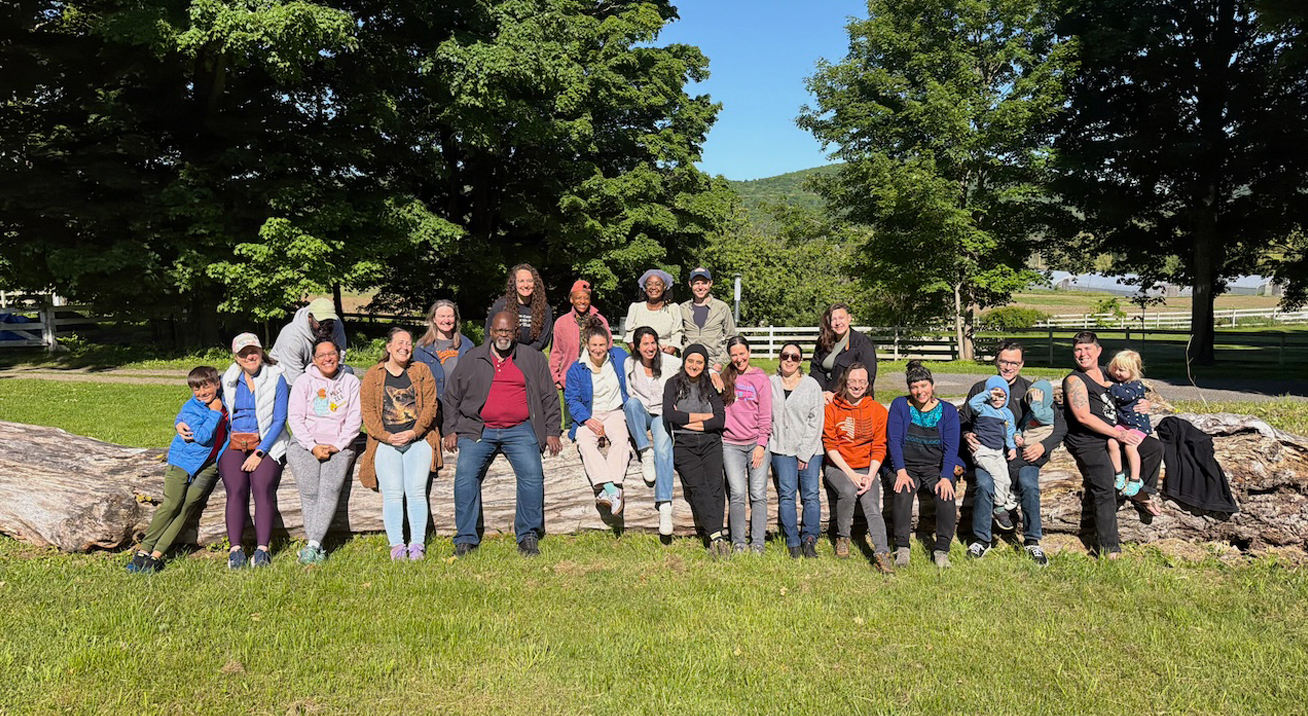
Representatives of Seed Commons member organizations gather in the Hudson Valley for the cooperative’s annual assembly, with site visits highlighting projects supported by local member Co-op Hudson Valley.
From farmland to main streets, rural communities are facing mounting pressures — and responding with resilience, innovation, and a deep commitment to their futures. The consolidation of farmland, the loss of small family farms, and limited access to affordable housing, healthcare, and infrastructure are real and interconnected challenges. But the story of rural America is not one of decline. It’s one of possibility — when communities have the resources, trust, and partnerships to lead their own solutions.
At Tides, we believe lasting change starts by listening to and investing in the people closest to the challenges. As a sector builder, we bring together donors, community leaders, and organizations to move resources where they are needed most, supporting locally driven strategies that strengthen rural economies, protect land and culture, and expand opportunity for future generations.
Rural America is often overlooked in national funding strategies, despite its critical role in our food systems, environmental stewardship, and cultural fabric. Short-term funding cycles and siloed approaches rarely address the structural barriers rural communities face. What’s needed is a long-term, integrated strategy that combines grantmaking, impact investing, and capacity building.
In 2025 alone, Tides Foundation donors issued more than 146 grants focused on agriculture and rural development, totaling over $10 million — prioritizing sustainable agriculture, food justice, and rural economic development.
Across the country, Tides partners are advancing solutions that reflect the realities and aspirations of rural communities. The Housing Assistance Council addresses one of rural America’s most urgent needs through below-market financing, technical assistance, and policy advocacy to help communities build and preserve affordable homes. In South Carolina, the Coastal Conservation League supports farmers and protects working lands — demonstrating that conservation and economic growth can go hand in hand. In Massachusetts, the Nipmuc Land Project connects food systems, cultural history, and community resilience through Indigenous land stewardship and the cultivation of traditional crops. And the Center for Rural Affairs ensures rural priorities are heard in national policy conversations, advocating for equitable implementation of major federal investments like the Inflation Reduction Act and the Bipartisan Infrastructure Law.
Grants alone cannot close the capital gap in rural America. That’s why Tides helps donors go further through mission-related investments — deploying philanthropic assets in ways that generate both measurable community benefit and financial return. Three current partnerships illustrate what this looks like on the ground.
Powering Tribal Energy Sovereignty. Navajo Power, a Native-majority-owned Public Benefit Corporation, is rebuilding who benefits from the clean energy transition. With 1,800 MW of utility-scale solar in development across the Navajo Nation, the company keeps ownership and economic value in community hands. In 2025, it brought off-grid solar to 476 previously unserved homes, directed more than $340,000 in payments to local grazing permit holders and Navajo chapters, and maintained a Native employee median salary of $156,600 — proof that energy sovereignty and quality jobs belong together.
Financing the Organic Future. Iroquois Valley Farmland REIT provides the patient, long-horizon capital that organic and regenerative farmers need to transition acreage, build durable businesses, and pass farms to the next generation. With $124 million in assets deployed across more than 36,000 acres and 65 farmers — concentrated in the Midwest, where industrial agriculture’s costs are most acute — Iroquois Valley is keeping farming families on the land even amid trade volatility and federal funding uncertainty.
Building Wealth Through Cooperative Ownership. Seed Commons is a cooperatively-governed CDFI that channels nonextractive capital through a network of place-based member funds. Since 2011, it has deployed more than $121 million into worker-owned cooperatives, community-owned enterprises, and permanently affordable housing. In Baltimore, Asheville, Cincinnati, and beyond, Seed Commons is rewriting what small business credit can look like in places traditional banks rarely reach — structuring loans so repayment flows from business success, not workers’ personal liability.
Together, these partnerships illustrate the dual promise of mission-related investing: capital that earns a return while building the durable, community-owned infrastructure rural America needs to thrive.
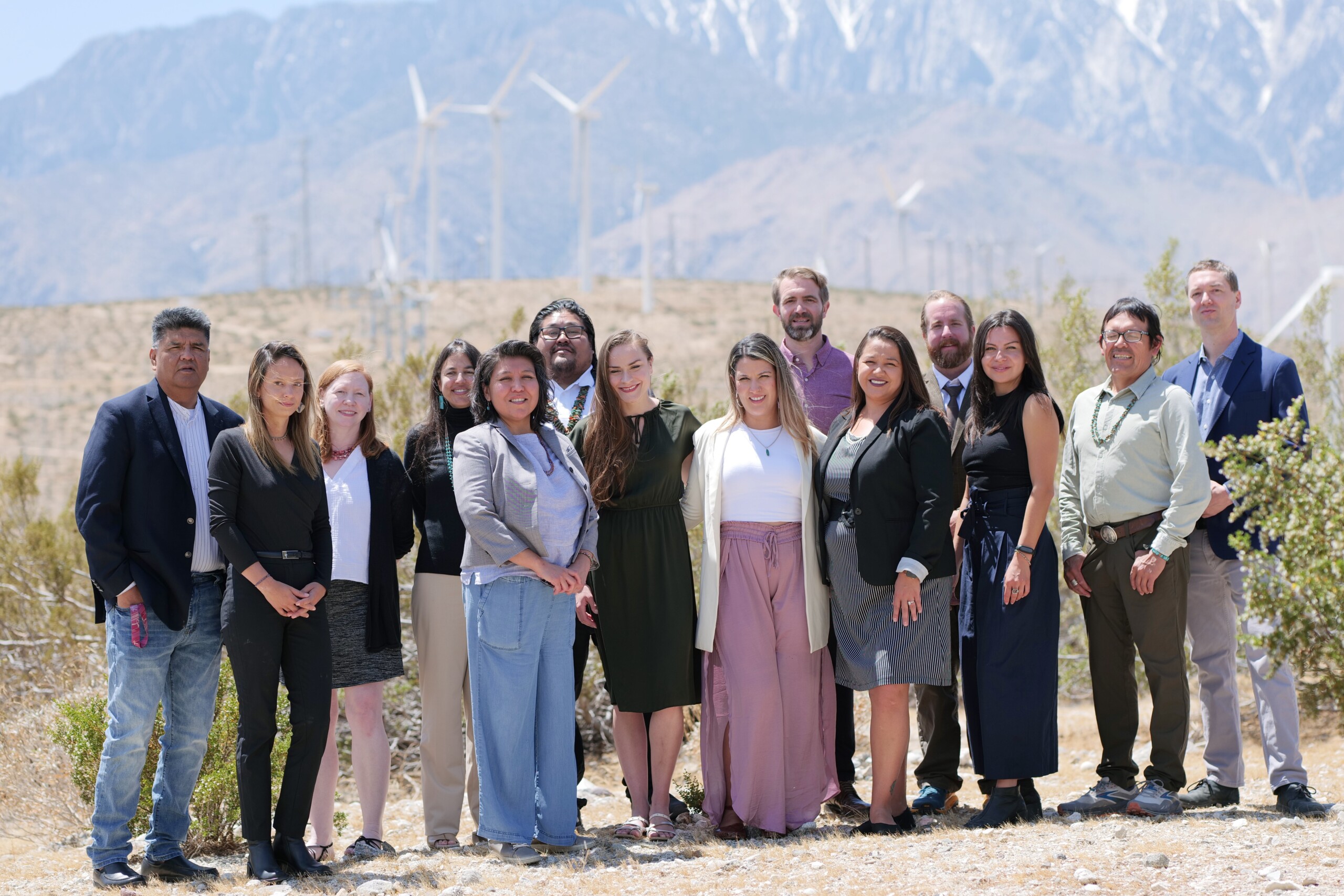
Photo credit: Navajo Power, a Tides Frontline Justice Fund grantee
What sets Tides apart is the breadth of tools we bring to rural investment. Donor advised funds offer a flexible, tax-efficient way to recommend grants over time — allowing donors to respond quickly to emerging needs while maintaining a long-term strategy. Fiscal sponsorship provides the legal, financial, and operational backbone that allows innovative community-led projects to receive funding and scale without the burden of standalone nonprofit infrastructure. And impact investing, as described above, puts the full corpus of a philanthropic portfolio — not just annual grants — in service of the communities donors care about.
Together, these tools form an integrated strategy that meets rural organizations where they are, whether they need a single grant, multi-year operating support, or patient capital to grow.
As climate pressures, economic inequality, and policy uncertainty intensify, the need for flexible, responsive funding has never been greater. By investing in rural communities now, donors can help strengthen local food systems, expand access to housing and essential services, support climate resilience, and advance equity and economic opportunity.
Rural communities are not problems to be solved. They are partners in building a more just, sustainable future — and Tides makes it easier to move from intention to action.
Sign up for Tides’ email updates to stay connected to our work, hear directly from community partners, and learn how you can help move resources where they’re needed most.
Healthy Democracy Fund

Individual and Family Donors
Philanthropy
Read the stories and hear the voices of social change leaders fighting for justice.